

Hear from Our Customers
You can’t fix what you can’t see. That’s the problem with mold—it hides behind walls, under floors, in crawl spaces you never check. By the time you smell it or see black spots creeping across your bathroom ceiling, it’s already spread.
Professional mold testing finds it before it becomes expensive. We’re talking moisture meters, infrared cameras, air sampling—tools that detect mold where your eyes can’t reach. You get lab results that tell you exactly what type of mold you’re dealing with and how much of it is in your air.
Here’s what that means for you: no guessing, no panic, no paying for remediation you don’t need. If there’s a problem, you know the scope. If there isn’t, you have documentation proving your home is clean—helpful when you’re buying, selling, or just trying to sleep at night without wondering if that musty smell is something worse.
Testing also protects your family. Mold spores trigger allergies, asthma attacks, respiratory issues. Kids and older adults are hit hardest. Getting tested means you’re not waiting for symptoms to tell you there’s a problem.
We’ve been helping homeowners in Castle Valley and throughout Bucks County deal with mold for years. We’re not a national franchise reading from a script. We’re local, we know the homes here, and we’ve seen what Pennsylvania’s humidity and older construction can do.
Our team includes trained professionals who understand how mold grows, where it hides, and what it takes to get accurate results. We use the same testing methods recommended by the EPA and HUD—because if you’re going to test, it should actually mean something.
You’ll work with people who’ve done this hundreds of times. We’re not here to upsell you on services you don’t need. We test, we report, we explain what the results mean in plain language. If remediation is necessary, we’ll tell you. If it’s not, we’ll tell you that too.
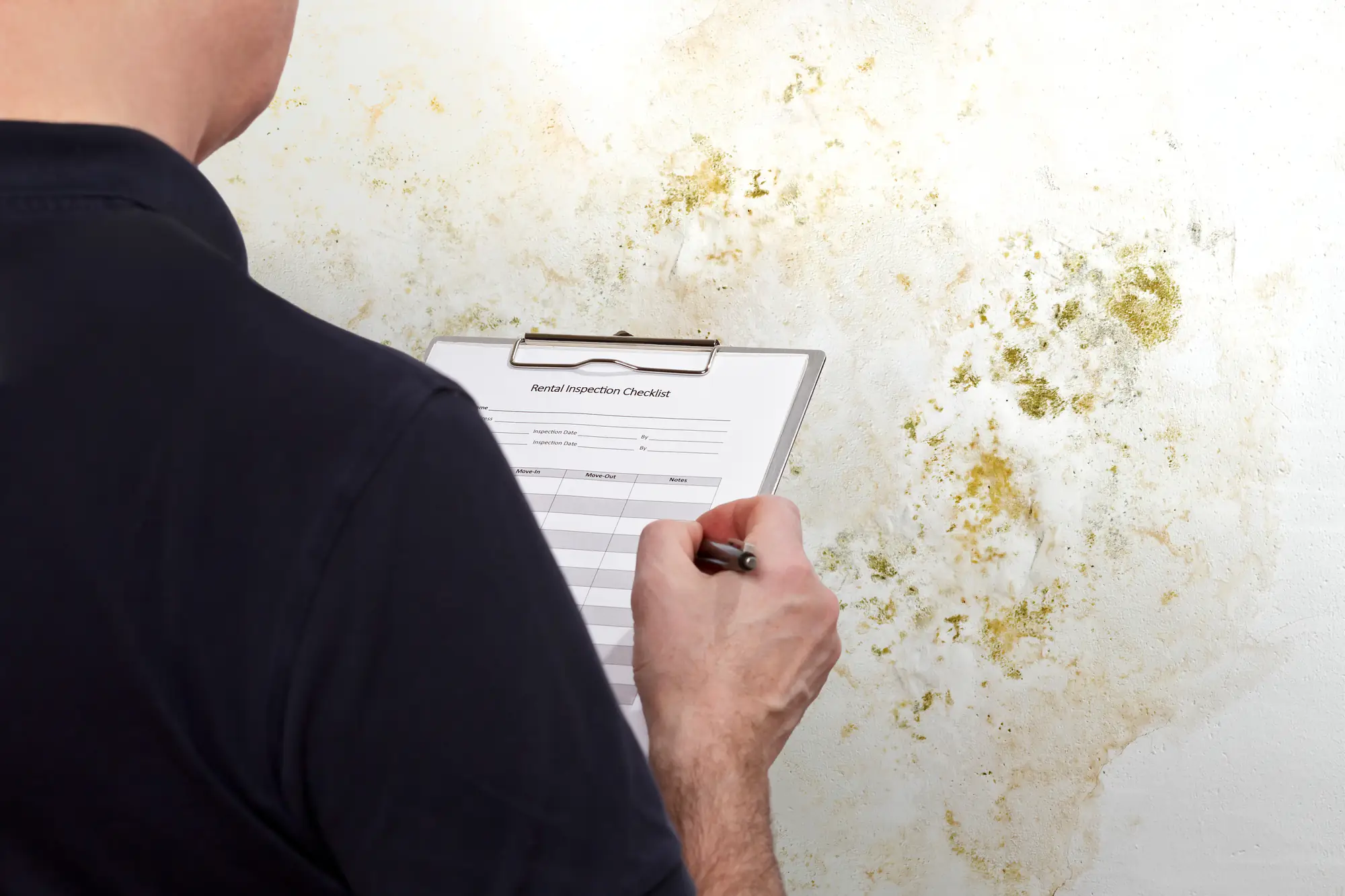
First, we schedule a free inspection at your Castle Valley home. You show us the areas you’re concerned about—water damage, musty odors, visible spots—and we do a full visual walkthrough. We’re looking for moisture, discoloration, ventilation issues, anything that suggests mold might be present.
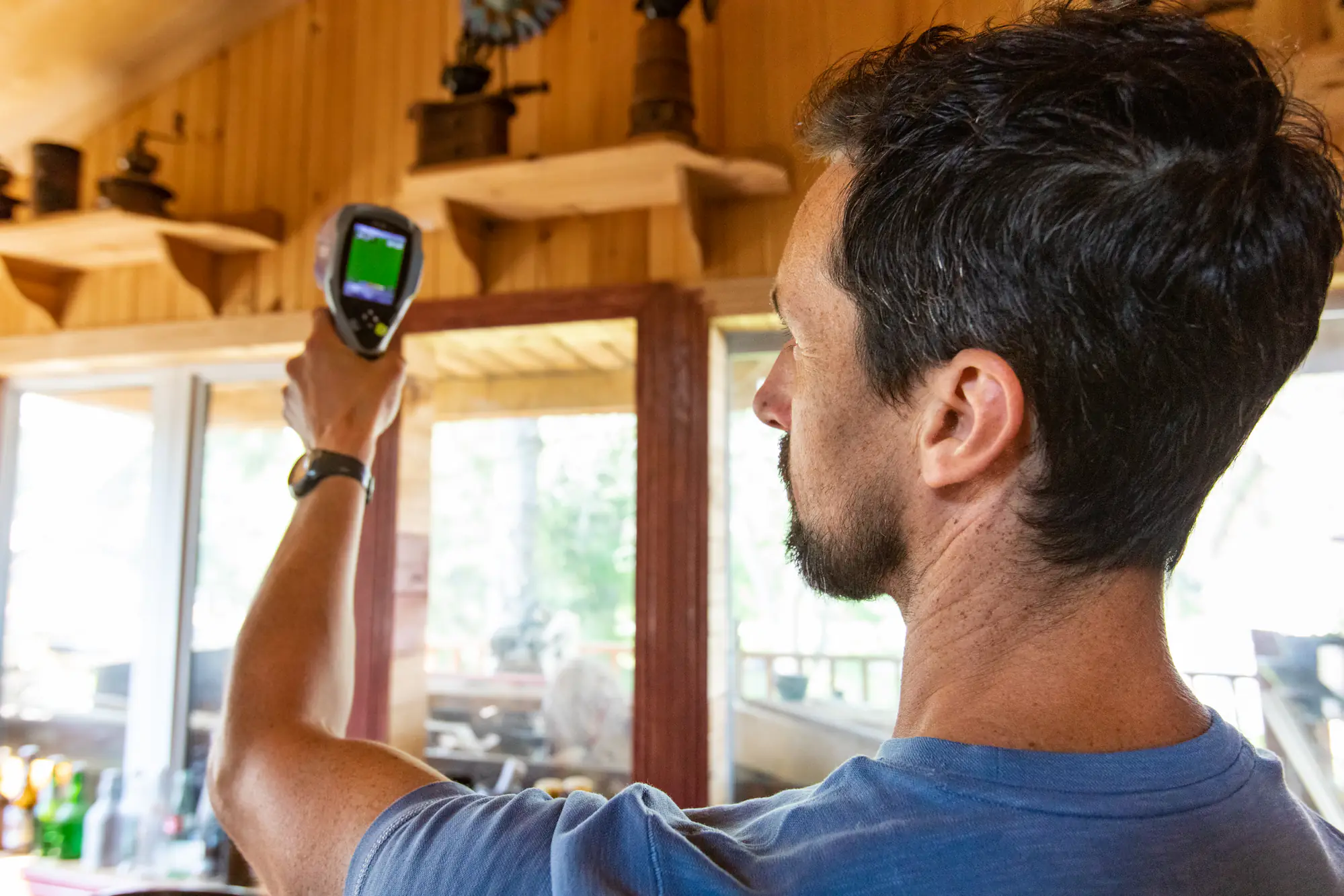
Next comes the actual testing. We use air sampling to measure mold spore levels in your indoor air compared to outdoor air. We also take surface samples from suspected problem areas. Moisture meters and infrared cameras help us find hidden water intrusion, because mold doesn’t grow without moisture.
Samples go to a certified lab for analysis. You’re not waiting weeks—most results come back within a few days. We review them with you and explain what type of mold was found, the concentration levels, and whether it’s something that needs immediate attention or just monitoring.
If remediation is needed, we walk you through the next steps. If your home tests clean, you get documentation proving it. Either way, you’re not left guessing. You have answers, a plan, and someone who’ll pick up the phone if you have questions later.
Ready to get started?
Our residential mold testing includes a complete visual inspection of your property, air quality sampling from multiple rooms, and surface testing on any suspicious areas. We check basements, crawl spaces, attics, bathrooms—anywhere moisture tends to collect in Castle Valley homes.
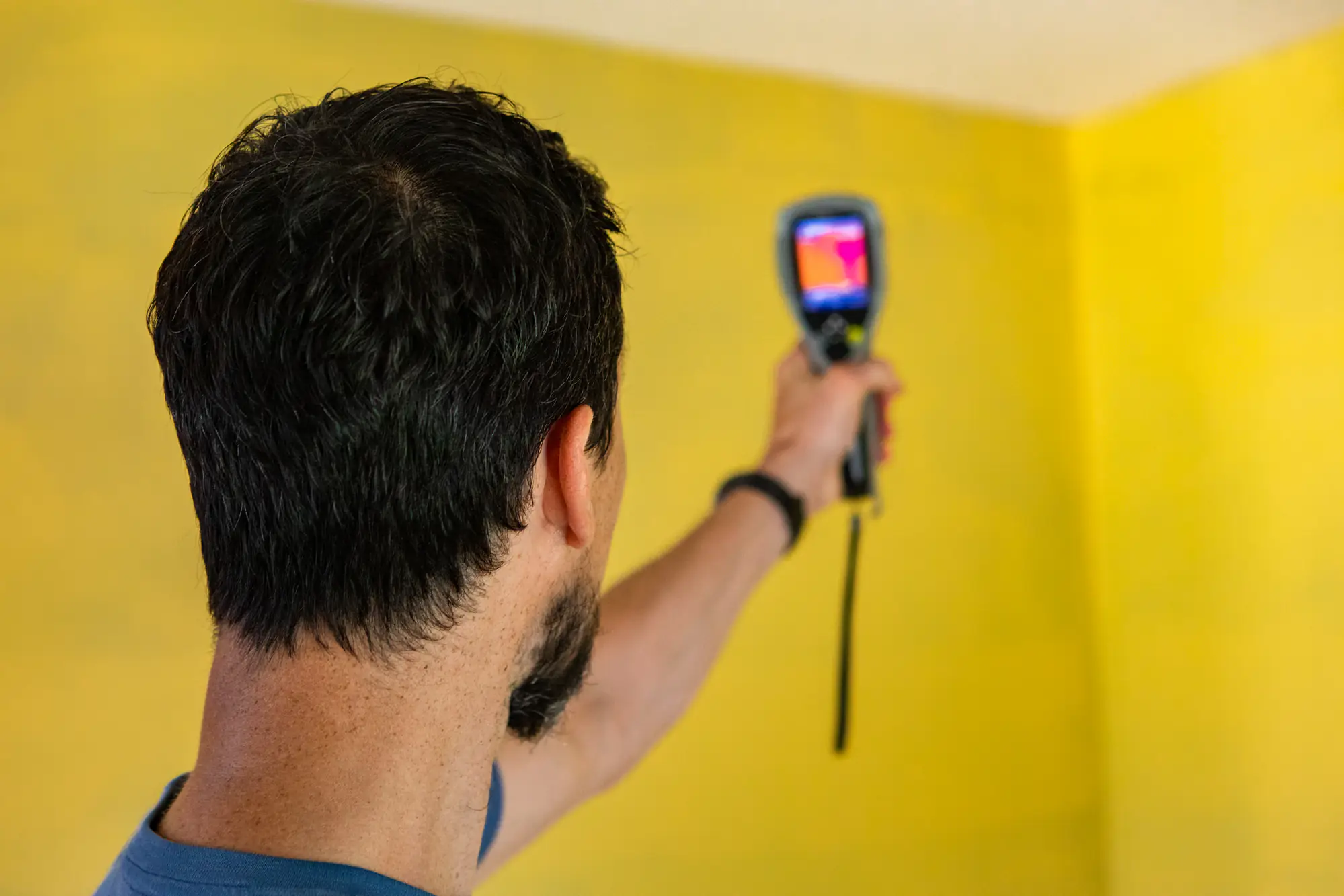
You also get moisture mapping. We use infrared technology to find water you can’t see. That’s critical, because mold doesn’t just appear—it follows water. If there’s an active leak or condensation issue, we find it before mold has a chance to take hold.
Lab analysis is included. We send samples to a certified third-party lab that identifies mold species and spore counts. You receive a detailed report that’s clear enough to understand but thorough enough to share with contractors, real estate agents, or insurance companies if needed.
We also provide a consultation after results come back. We’ll explain what the numbers mean, whether your levels are normal or concerning, and what your options are. In Bucks County, where 47% of homes deal with mold issues at some point, having a clear picture of your home’s air quality isn’t optional—it’s smart homeownership.
Most professional mold inspections in Pennsylvania run between $300 and $650, with the average around $450. That typically includes a visual inspection, moisture detection, and two air samples sent to a lab for analysis.
The price varies based on your home’s size and how many samples you need. A small condo with one suspected area costs less than a 3,000-square-foot house where you want multiple rooms tested. Surface samples, additional air tests, or infrared scanning can add to the cost, but they also give you more complete information.
We offer free initial inspections, so you’re not paying just to have someone look around. If testing makes sense after that walkthrough, we’ll give you a clear quote before moving forward. No surprises, no pressure.
Yes. HUD recommends that anyone purchasing a home have it tested for mold by a qualified professional. Standard home inspections don’t usually include mold testing—they’re visual only, and mold hides too well for that to be reliable.
If you’re buying in Castle Valley or anywhere in Bucks County, you’re dealing with older homes, basements, and humidity. Mold problems can tank your property value or cost thousands to fix after closing. Testing before you buy gives you leverage to negotiate repairs or walk away if the problem is severe.
Even new construction isn’t immune. If there was water intrusion during the build or poor ventilation installed, mold can start growing within 24 to 48 hours. Testing protects your investment and keeps you from inheriting someone else’s problem.
A mold inspection is visual. We walk through your home, look for signs of mold or moisture, check problem areas like basements and bathrooms, and tell you if we see anything concerning. It’s a good first step and often enough to identify obvious issues.
Mold testing goes deeper. We collect air and surface samples, send them to a lab, and get back data on what types of mold are present and how much. Testing is helpful when you smell mold but can’t find it, when someone in your home is having unexplained respiratory issues, or when you need documentation for a real estate transaction.
You don’t always need testing. If there’s visible mold and no question about whether it’s there, you can skip straight to remediation. But if you’re not sure, or if you want to confirm your air quality is safe after cleanup, testing gives you certainty.
Most labs return results within three to five business days after we submit your samples. In some cases, if the lab is backed up or you requested additional analysis, it might take up to a week.
Once we have the results, we’ll contact you to schedule a time to review them. We don’t just email a report and disappear—we walk you through what the lab found, what the spore counts mean, and whether the levels in your home are normal or elevated compared to outdoor air.
If the results show a serious problem, we’ll prioritize getting you answers faster. But in most cases, a few days is standard, and it’s worth the wait to get accurate, certified lab analysis instead of relying on instant test kits that aren’t reliable.
You can buy DIY mold test kits at hardware stores, but they’re not very useful. Most don’t tell you what type of mold you have or whether the levels are actually dangerous. They just confirm that mold exists—which isn’t helpful, because mold exists everywhere. The question is how much and what kind.
Professional testing uses calibrated equipment, controlled sampling methods, and certified lab analysis. We compare your indoor air to outdoor air, test multiple locations, and give you data you can actually use to make decisions.
If you’re buying a home, dealing with health symptoms, or trying to document a problem for insurance or resale, DIY kits won’t cut it. You need results that hold up and professionals who know how to interpret them. That’s where we come in.
The most common molds we find in Bucks County homes are Cladosporium, Penicillium, Aspergillus, and Stachybotrys—also known as black mold. Each one grows in different conditions, but they all need moisture.
Cladosporium shows up on wood, drywall, and fabrics. Penicillium loves water-damaged materials and often appears after leaks or flooding. Aspergillus grows in dust and on surfaces with high moisture. Stachybotrys is the one people worry about most—it’s toxic, grows on cellulose materials like drywall, and thrives in consistently wet environments.
Castle Valley’s older homes, combined with Pennsylvania humidity, create perfect conditions for mold growth. Basements, crawl spaces, and poorly ventilated bathrooms are the usual suspects. Testing identifies which molds are present so you know whether you’re dealing with a minor issue or something that needs immediate attention.
Other Services we provide in Castle Valley